Weekend Trading: Which Markets Stay Open and Why
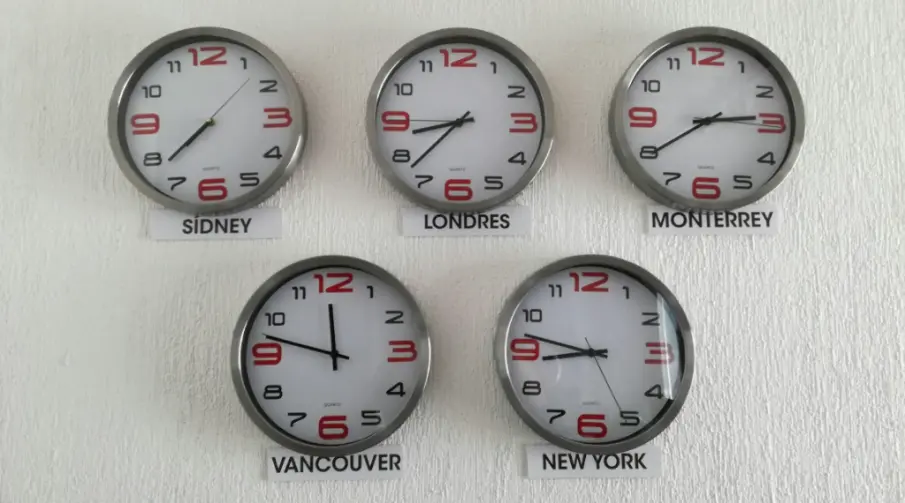
Most financial markets close at the weekend. Forex shuts on Friday evening and reopens on Sunday evening, New York time. Major stock exchanges in the US, UK and Europe stay closed on Saturday and Sunday.
A few markets keep going, and some brokers offer their own weekend prices. Here is what is open, what is not, and what it means for open trades.
Why forex closes at the weekend
Forex has no central exchange. It runs through a network of banks, brokers and other dealers around the world. During the week, trading passes from Sydney to Tokyo to London to New York, so the market runs around the clock.
At the weekend, that chain breaks. The banks that supply most of the liquidity step back. With no one quoting firm prices, retail brokers close too.
The standard forex week runs from 5:00 p.m. New York time on Sunday to 5:00 p.m. New York time on Friday. Your broker's platform may show this in a different time zone, so check the server clock.
Stock markets
The main exchanges in the US, UK and Europe trade Monday to Friday only. Index futures follow a similar weekly cycle. They reopen on Sunday evening, US time, but do not trade on Saturday.
Not every weekend is Saturday and Sunday
Some markets keep a different week. The Saudi Exchange trades from Sunday to Thursday, a change it made in 2013 to match the country's new working week.
So "weekend trading" depends on where you are. A market can be open on a day that feels like the weekend to you.
Crypto never closes
Bitcoin and other coins trade on exchanges that run 24 hours a day, 7 days a week. There is no weekly close and no opening bell.
That does not mean every crypto product trades all weekend. Crypto CFDs follow your broker's rules. Some brokers quote them all weekend. Others pause for maintenance or close them on Saturday and Sunday.
Broker weekend prices
A few brokers offer weekend prices on major indices or currency pairs. These are not exchange prices, since the exchange is shut. The broker sets them based on its own view of where the market would trade.
This makes sense once you know what is cfd trading and how it works. A CFD is a contract with your broker on a price, so the broker can quote that price even when the main market is closed.
These weekend markets carry their own terms.
- Spreads are usually wider than on a weekday.
- Few people trade them, so prices can move in sharp jumps.
- A weekend position may be turned into a normal position once the weekday market opens.
- Only a short list of markets is offered.
They can be useful if big news breaks on a Saturday. But they are a broker product, not the real market, and they cost more to trade.
Weekend gaps
When a market closes for two days, news still happens. Elections, central bank comments, wars and trade deals can all land at the weekend.
The market then reopens wherever buyers and sellers now agree on a price. That can be far from Friday's close. The jump is called a gap.
What a gap does to your stop
Say you are long GBP/USD at 1.2700 with a stop at 1.2650. On Sunday evening the pair opens at 1.2600. Your stop cannot fill at 1.2650, because the market never traded there. It fills at the first price on offer, near 1.2600.
You lose about twice what you planned. A normal stop limits risk during trading hours, but it cannot protect you across a gap.
Weekend risk is a point that guides on How to Start Forex Trading often mention only briefly. In practice, it can turn a small planned loss into a much larger one.
How to handle weekend risk
You have a few choices before the Friday close.
- Close the trade: the simplest way to avoid gap risk is not to hold over the weekend.
- Reduce size: a smaller position means any gap does less damage.
- Use a guaranteed stop: some brokers offer stops that fill at your exact level, gap or not. They usually cost extra.
- Check the calendar: know what events are due over the weekend, such as elections or summits.
- Check swaps: holding a position over the weekend can mean extra overnight charges, often taken in one go midweek.
Should you trade at the weekend?
For most people, the weekend is better spent reviewing trades and planning the week ahead. Thin markets, wide spreads and broker set prices make weekend trading costly.
If you trade crypto, the weekend is part of the market, so plan for it like any other day. For forex and indices, the weekend is mostly a time to decide what to hold, what to cut, and how much gap risk you can live with.
Meta
Meta Title (48 chars): Weekend Trading: Which Markets Stay Open and Why
Meta Description (143 chars): Which markets trade at the weekend, why forex and most stock markets close, how broker weekend prices work, and how to handle weekend gap risk.